






Aescin Benefits: What Are They?
Aescin, also known as Escin, is a prominent triterpene saponin mixture extracted primarily from the seeds of the Horse Chestnut tree (Aesculus hippocastanum). This powerful natural compound has been a staple in European herbal medicine for centuries and continues to be recognized for its significant therapeutic properties. For businesses specializing in plant extract raw materials, understanding "what is aescin used for?" and the broad spectrum of aescin benefits is vital for meeting the demands of the pharmaceutical and nutraceutical industries. At Kintainutri®, we specialize in producing pharmaceutical-grade Aescin powder that meets the highest purity standards (≥95%), preserving the compound's centuries-old therapeutic legacy while ensuring modern manufacturing precision.
Primary Use: Chronic Venous Insufficiency (CVI)
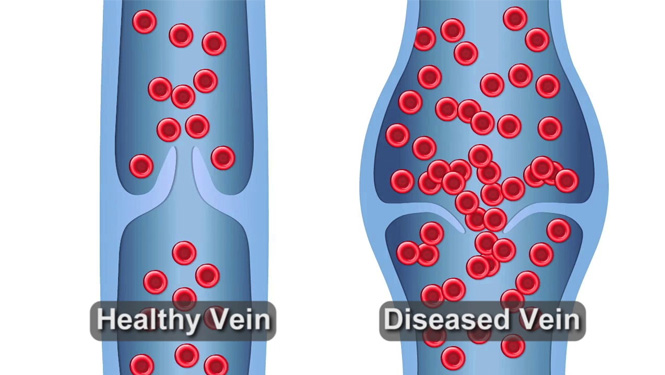
One of the most well-established uses of aescin is in the treatment of chronic venous insufficiency (CVI). CVI is a condition where the leg veins have difficulty sending blood back to the heart, leading to symptoms like swollen legs (edema), pain, itching, leg cramps, and varicose veins. Aescin helps by strengthening capillary walls, reducing their permeability, and improving venous tone. This action minimizes fluid leakage into surrounding tissues, thereby significantly reducing swelling and discomfort. Numerous clinical trials have supported the efficacy of aescin as a safe and effective short-term treatment for CVI, often comparable to compression therapy.
Anti-Inflammatory and Anti-Edematous Effects
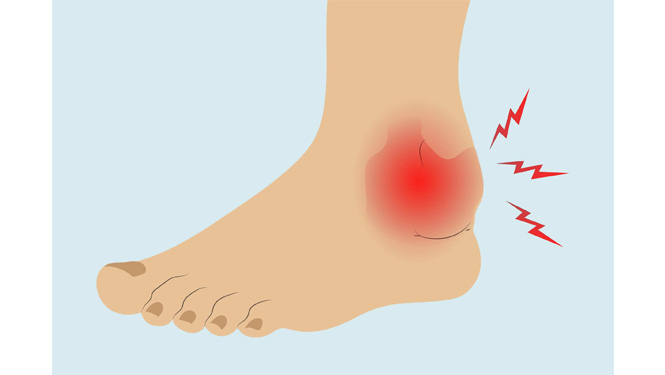
Beyond CVI, a key part of "what is aescin used for?" lies in its potent anti-inflammatory and anti-edematous (anti-swelling) properties. Aescin works by inhibiting the release of certain enzymes and inflammatory mediators that contribute to swelling and pain. This makes it highly beneficial for reducing edema and inflammation after injuries, surgeries, and blunt trauma. Whether applied topically in gels or taken orally, the ability of aescin to reduce fluid retention in tissues is a significant advantage in post-operative recovery and managing localized swelling. These aescin benefits are highly valued in sports medicine and recovery formulations.
Supporting Microcirculation and Blood Vessel Health
Aescin plays a crucial role in enhancing microcirculation and supporting overall blood vessel integrity. It appears to improve the elasticity and tone of veins, facilitating better blood flow and reducing venous stasis (blood pooling). Its protective effect on blood vessel permeability is partly attributed to its ability to prevent hypoxia-induced disruption to endothelial cells. This comprehensive support for the vascular system means that the benefits of aescin extend to various conditions beyond just CVI, including potentially aiding in the management of hemorrhoids by reducing inflammation and swelling in affected veins.
Supporting Microcirculation and Blood Vessel Health
While its primary applications are well-defined, research continues to uncover additional aescin benefits. Preliminary studies have explored its potential in other areas such as male fertility, particularly in cases of varicocele-associated infertility, where it may help improve sperm quality and reduce varicocele size by addressing venous swelling. Some in-vitro and animal studies also suggest potential anti-proliferative (Anti-cancer) effects against certain tumor cells, as well as antiviral activity. However, these are early findings, and more extensive human research is needed to confirm these broader applications. The continued investigation into "what is aescin used for?" reveals a compound with untapped therapeutic potential.
Conclusion
In conclusion, aescin is a well-researched and highly effective natural compound primarily valued for its role in treating chronic venous insufficiency, reducing inflammation, and alleviating edema. Its multifaceted mechanisms of action, including strengthening blood vessels and improving microcirculation, underpin the significant aescin benefits recognized in both traditional and modern medicine.